

Sparkling wine
Sparkling wine is wine with dissolved carbon dioxide, which makes it fizzy. Champagne, prosecco and cava are the best-known styles, each from its own region.
Also called: Champagne · brut Champagne
- ABV range
- US proof
- Calories per oz
Popular drinks with sparkling wine
View all 258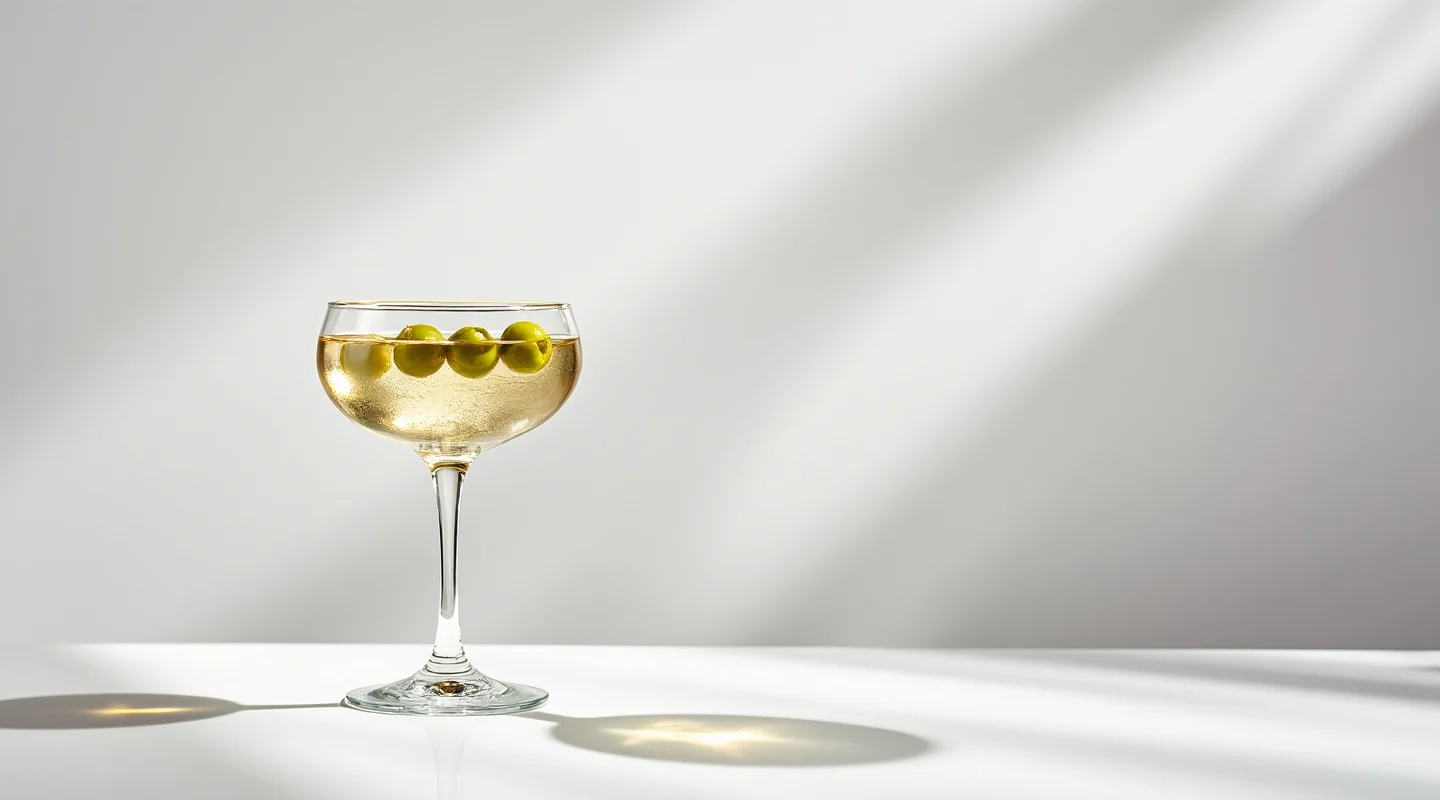
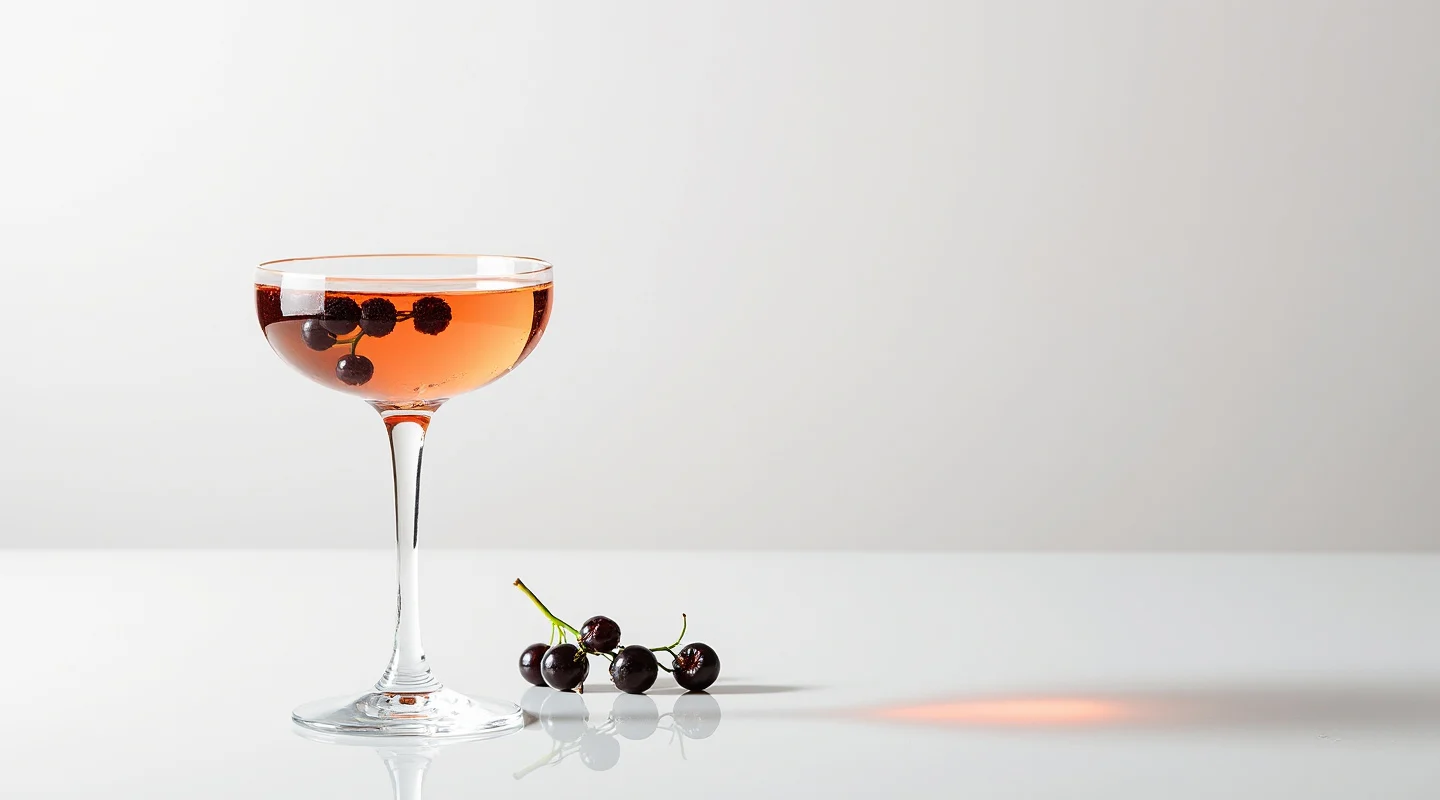
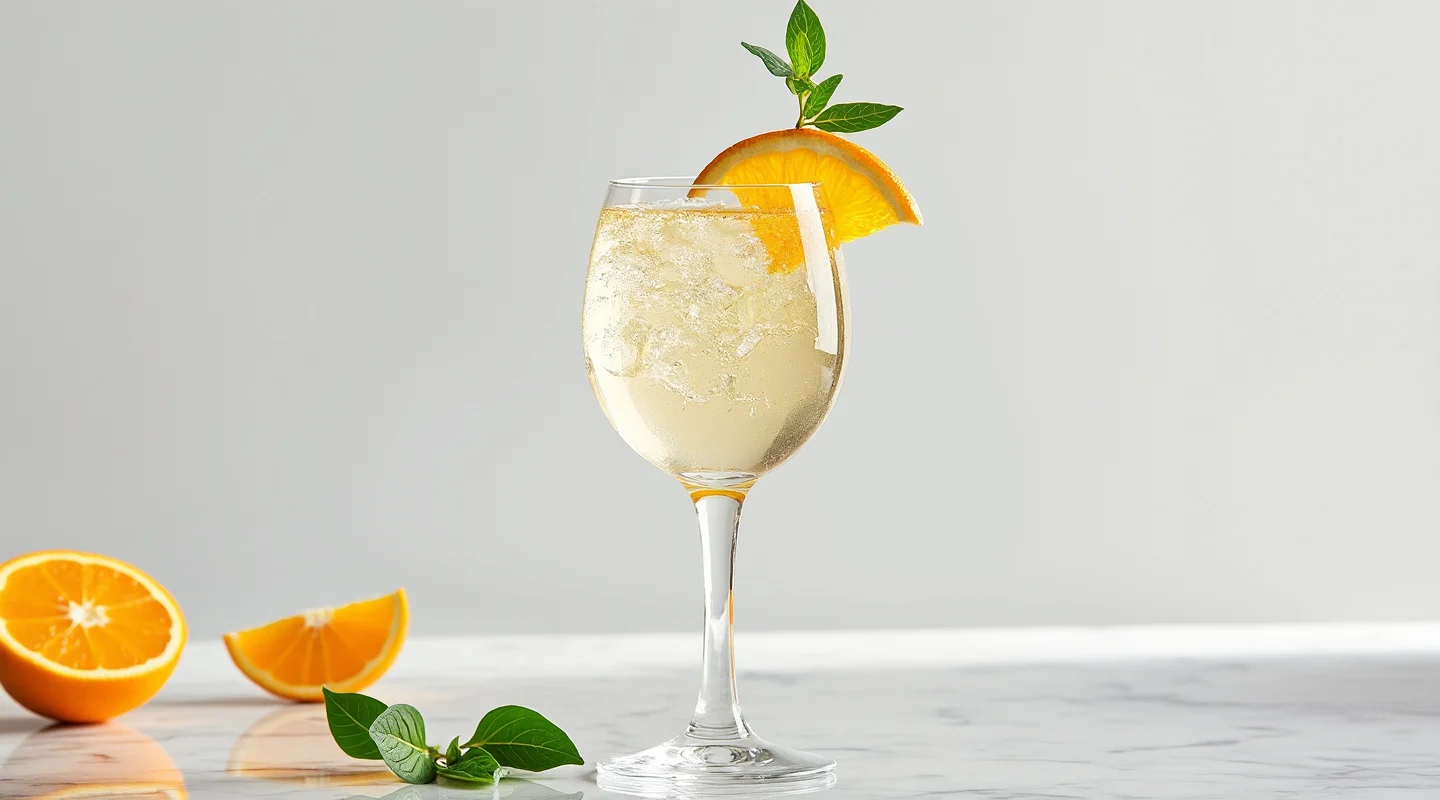
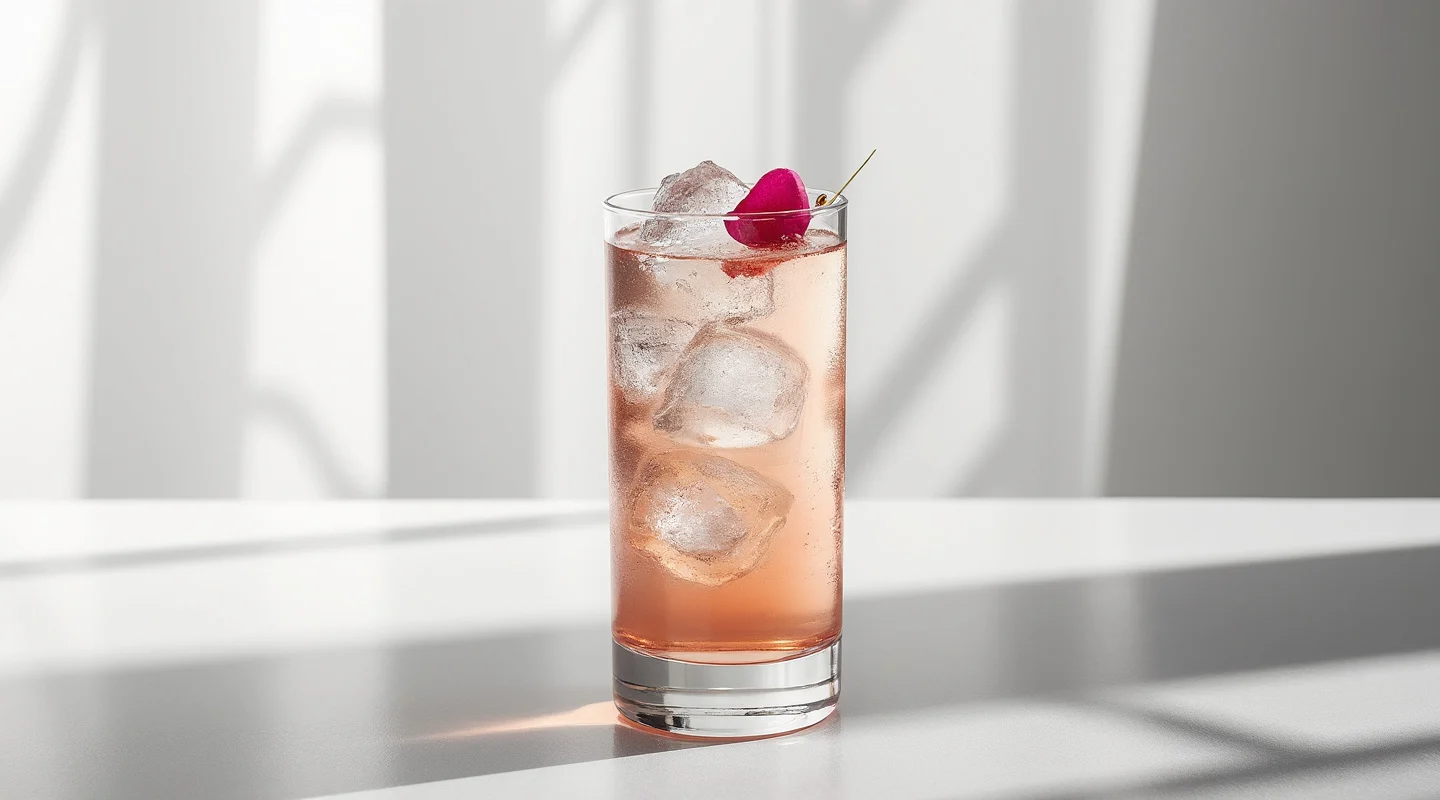
Two-ingredient drinks with sparkling wine

Substitutes for sparkling wine
Types of sparkling wine
Frequently asked questions about sparkling wine
Sparkling wine is best served well chilled in a flute or tulip glass, which keeps the bubbles lively. Pour slowly down the side of the glass to limit foam.
The classic serve: Chilled in a flute or tulip glass, poured slowly down the side.
- Unopened
- Non-vintage bottles about 3 years, vintage bottles longer when stored well.
- Opened
- 1 to 3 days refrigerated with a sparkling wine stopper.
- How to store it
- Cool and dark, lying on its side when corked.
Dry sparkling wine is crisp and toasty, with fine bubbles and citrus or green-apple fruit.
Tasting notes: green apple, citrus, brioche, toast.
Still base wine from grapes such as Chardonnay, Pinot Noir and Pinot Meunier for Champagne, or Macabeo, Xarel-lo and Parellada for cava.
In the traditional method, a second fermentation in the bottle makes the bubbles. The spent yeast is then removed before the bottle is corked.


