

Sake
Sake is a Japanese alcoholic drink made from polished rice, koji mold, yeast and water. It is usually 15 to 16 percent alcohol and ranges from light and dry to rich and fruity.
Also called: Nihonshu · Japanese rice wine
- ABV range
- US proof
- Calories per oz
Popular drinks with sake
View all 46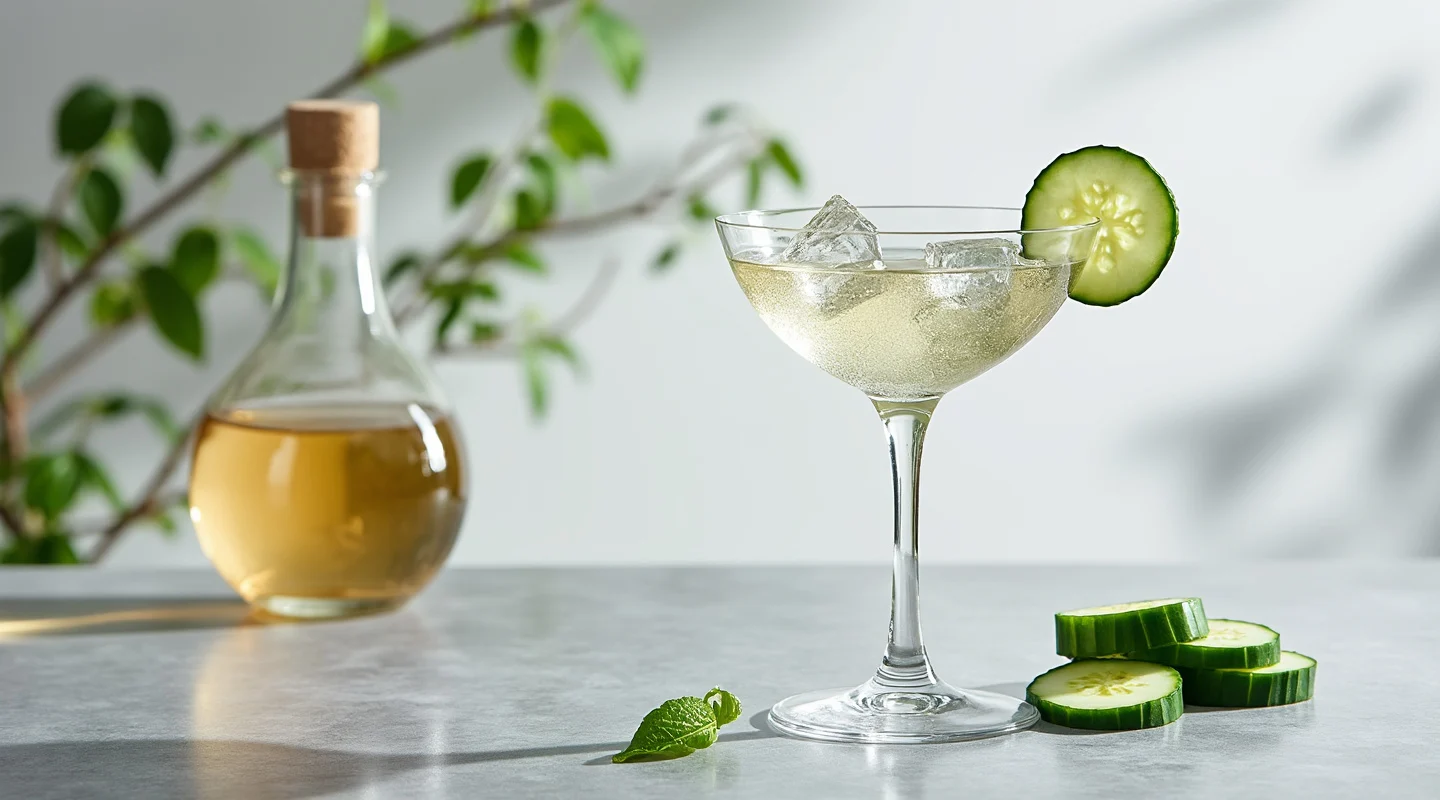
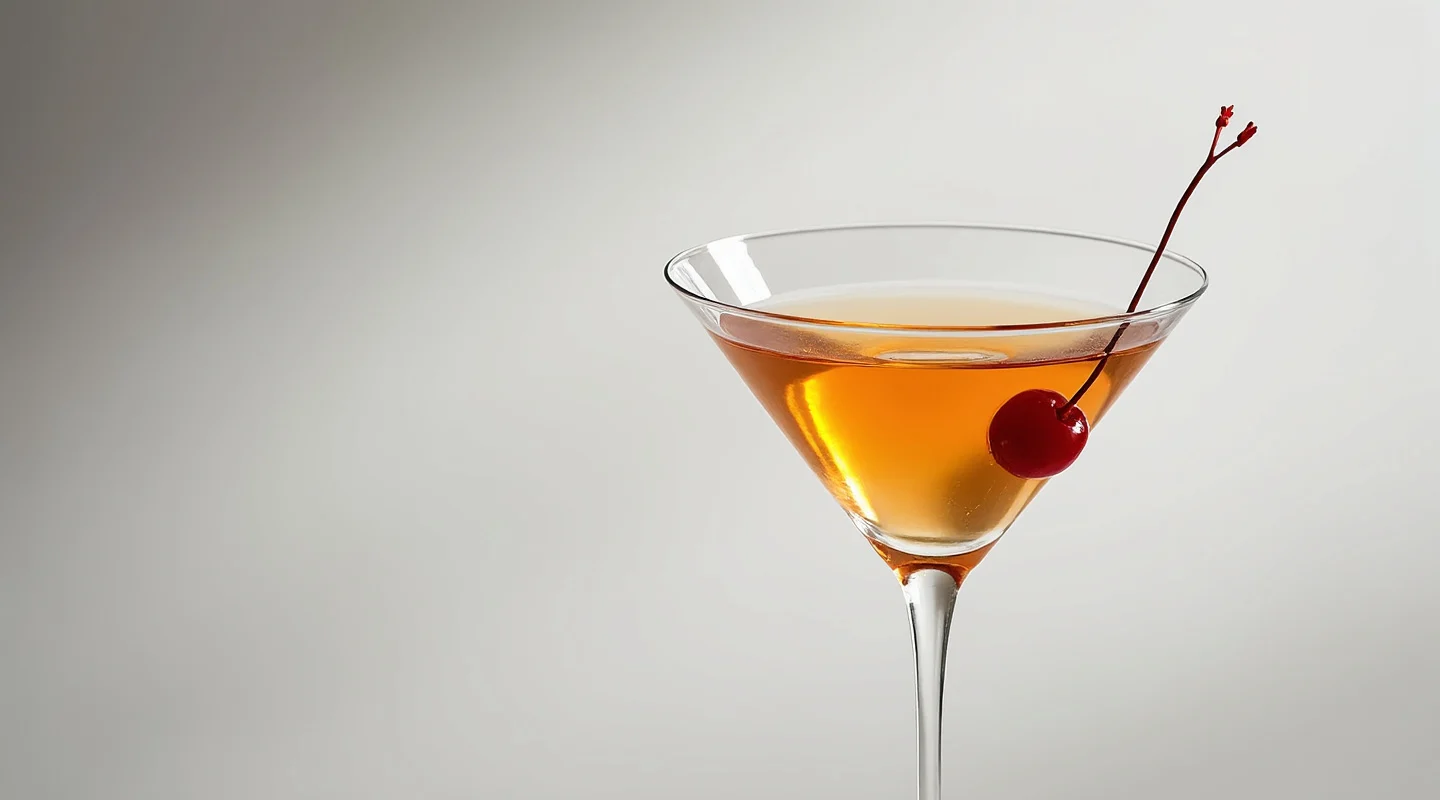
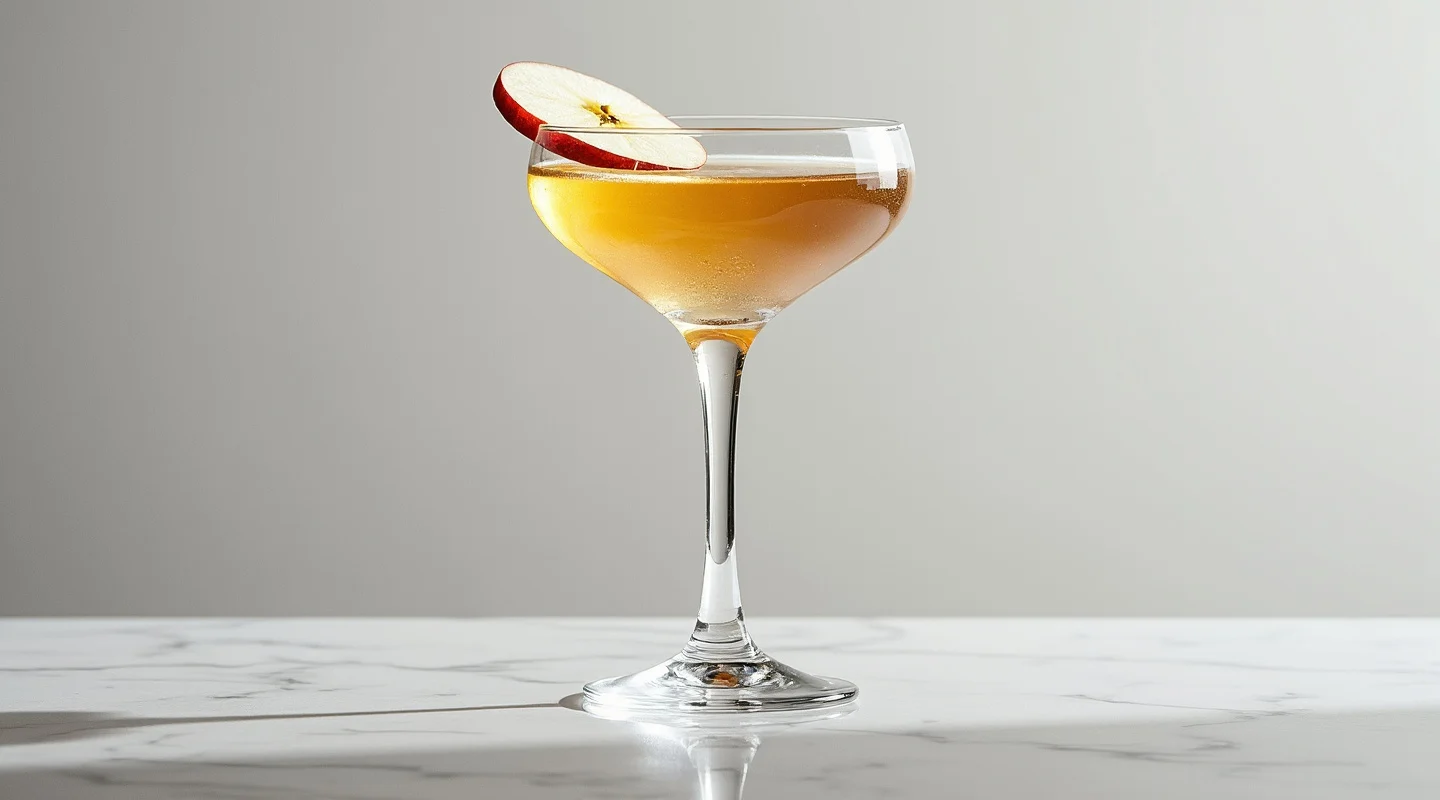
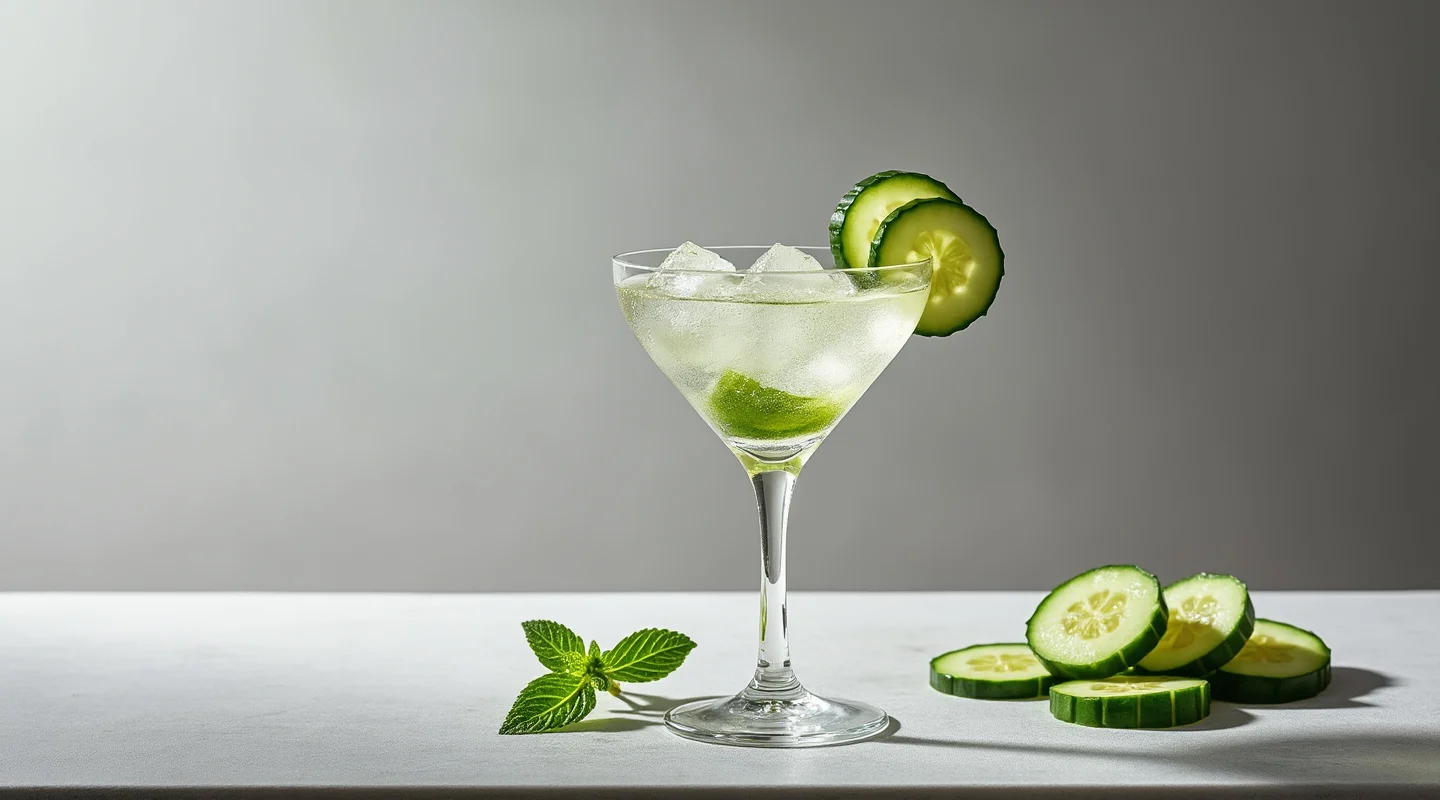
Two-ingredient drinks with sake
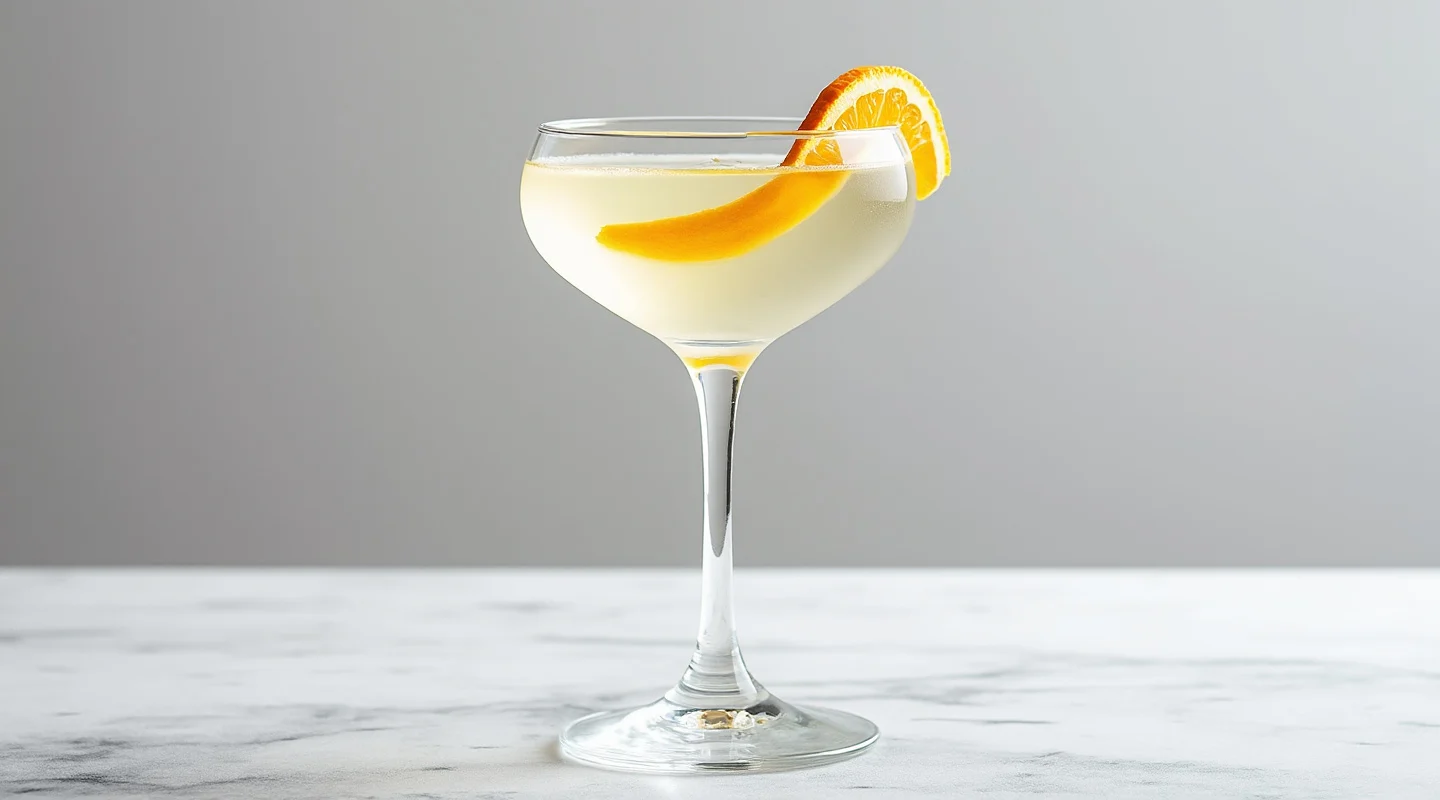
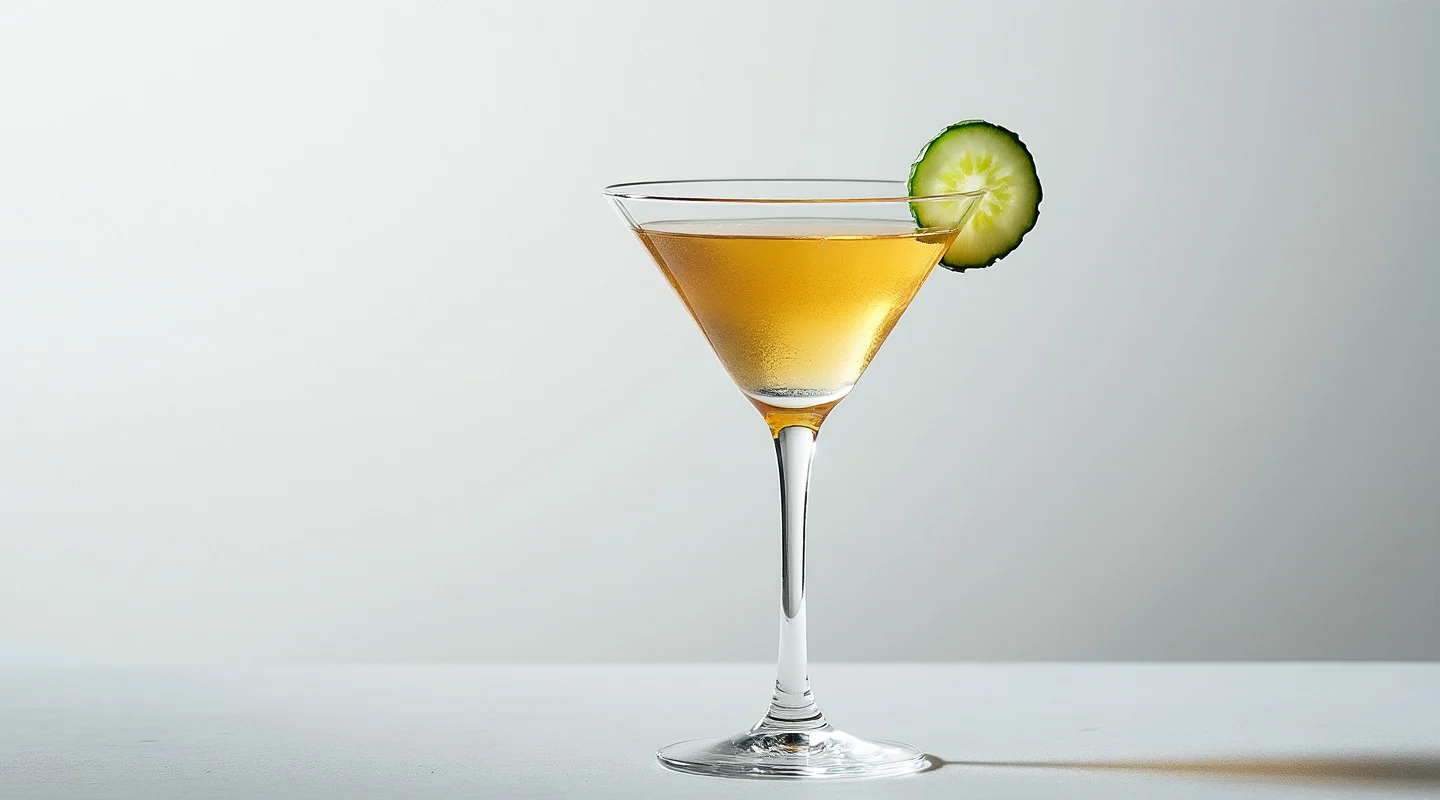
Substitutes for sake
Types of sake
Frequently asked questions about sake
Sake can be served chilled, at room temperature or warmed, and the style decides which is best. Premium, fragrant sake shows its aroma when cold, while junmai and aged styles often taste fuller when warm.
The classic serve: Chilled to 8 to 10 C in a small glass for ginjo and daiginjo; warmed to 40 to 50 C for junmai and aged sake.
- Unopened
- About 1 year for pasteurized sake, 6 to 8 months for unpasteurized.
- Opened
- 1 to 2 weeks refrigerated, resealed tightly.
- How to store it
- Refrigerated once opened, away from light.
Clean and rice-sweet with soft acidity. Premium styles show pear and melon, while aged ones turn nutty and earthy.
Tasting notes: rice, melon, pear, umami, nutty.
Polished rice, koji mold, yeast and water. Some styles add a small amount of distilled alcohol.
Rice is polished, steamed and inoculated with koji, which turns starch into sugar. Yeast then ferments the sugar in several stages, after which the sake is pressed, filtered and usually pasteurized.
Japan, where sake appears in written records from the early 8th century.
- Gekkeikan
- Sho Chiku Bai


